

Where Is Your Money Really Going?
Last month, Ramesh checked his bank statement late at night. Salary had come on the 1st. By the 20th, the balance was already scary low. No big purchases. No luxury trip. No emergencies. Still, the money had quietly disappeared.
If this feels familiar, you’re not bad with money. You’re human.
This is the real problem of money leaks India struggles with every day. Small, silent expenses. Auto-debits. Habits we don’t notice. Decisions we postpone. Over time, they drain thousands—sometimes lakhs—without us realizing.
Here’s the truth most people don’t realize: you don’t need a higher salary to build wealth. You need fewer leaks.
Let’s break this down calmly, honestly, and practically—Indian style.
Understanding Money Leaks in India (What They Really Mean)
Money leaks are not big financial mistakes. They are tiny, repeated actions that quietly pull money out of your life.
Think about this:
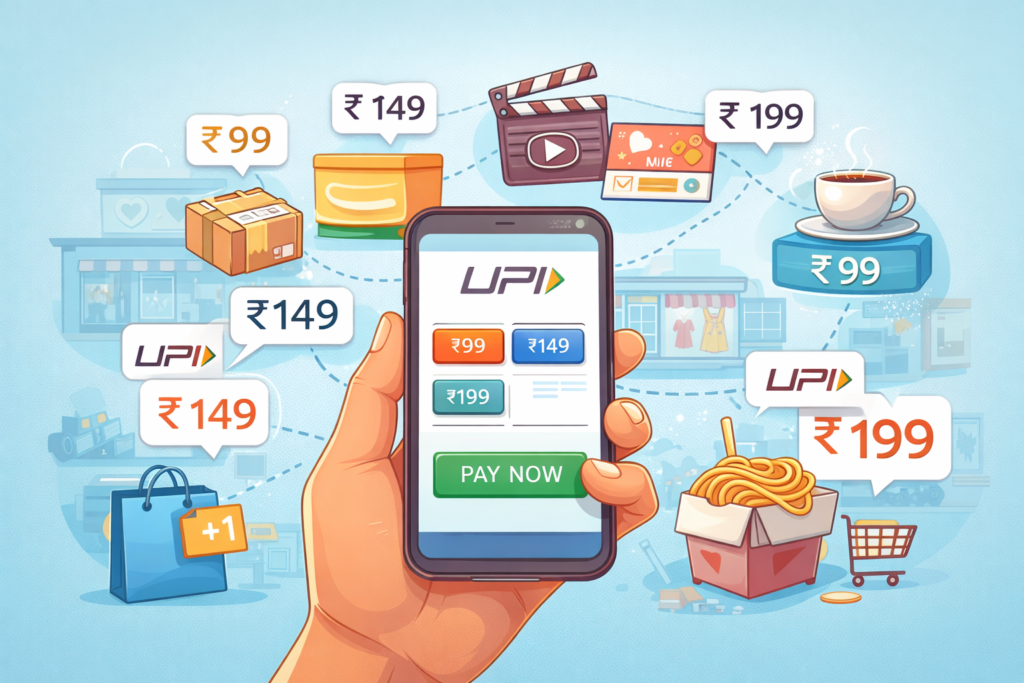
- ₹299 OTT subscription you forgot to cancel
- ₹120 daily Swiggy order because “no time to cook”
- Minimum credit card payment instead of full payment
- EMI for a gadget you barely use
Individually, they look harmless. Together, they become dangerous.
In the Indian context, money leaks often hide behind:
- Convenience apps
- Easy EMIs
- Cashback psychology
- Social pressure
- Lack of basic money systems
Most people don’t track them. That’s why they grow.
Why Money Leaks Matter So Much in the Indian Reality
India is not a high social security country.
No free healthcare. No guaranteed pension for most private employees. Rising education costs. Rising rent. Rising lifestyle expectations.
Now imagine money leaking every single month.
For a family earning ₹40,000–₹60,000 per month, even ₹3,000 wasted monthly equals ₹36,000 per year. Invested properly, that could grow into lakhs over time.
Let me share a quick story.
Sunita, a school teacher in Coimbatore, never invested before 35. She felt she “didn’t earn enough.” When she finally tracked expenses, she found ₹4,800 leaking monthly—mostly food delivery, unused subscriptions, and impulse shopping.
She didn’t increase income. She didn’t take risks. She just fixed leaks.
Today, she runs SIPs comfortably.
That’s the power of stopping money leaks.
The Biggest Money Leaks Indians Must Stop (Detailed Breakdown)
1. Untracked Daily Expenses
This is leak number one.
Tea, snacks, auto rides, quick Amazon orders, UPI spends. Because they’re small, we ignore them.
But here’s the truth: what you don’t track, you can’t control.
Fix it:
- Track expenses for just 30 days
- Use apps like Fi, Jupiter, or ET Money
- Don’t judge. Just observe
Awareness alone reduces spending by 10–20%.
2. Food Delivery & Convenience Addiction
Ordering food feels cheap. ₹150 here. ₹250 there.
But 10 orders a month easily cross ₹3,000–₹4,000.
Most people don’t realize this is a lifestyle leak, not a food expense.
Fix it:
- Limit delivery to weekends
- Keep emergency frozen food
- Track monthly food delivery budget
You don’t need to stop. You need boundaries.
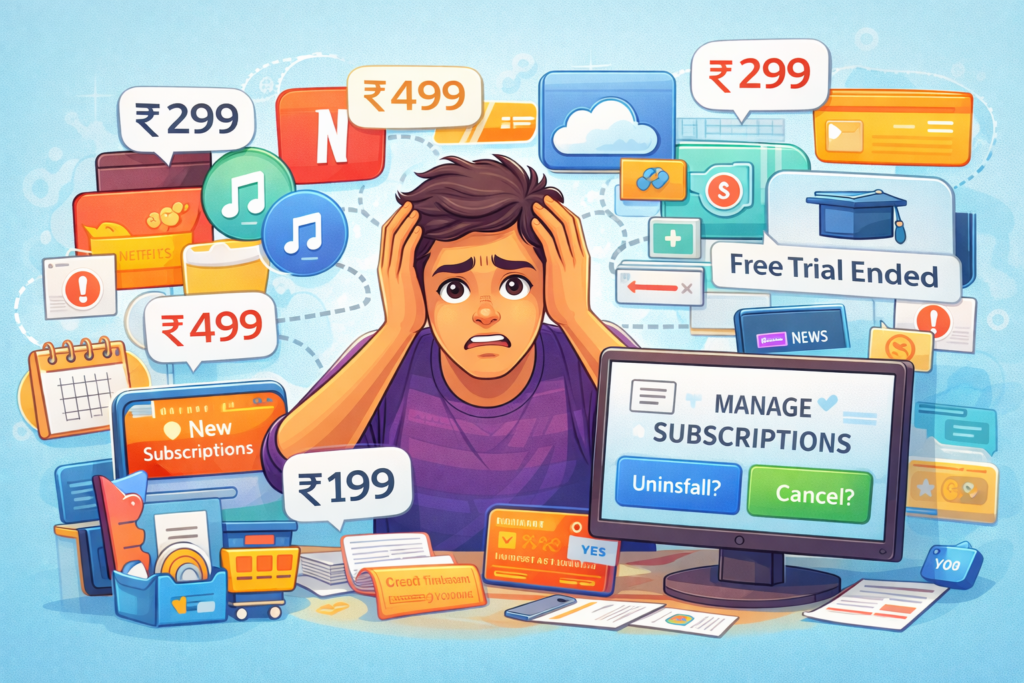
3. OTT & App Subscription Overload
Netflix. Prime. Hotstar. Music apps. Fitness apps. Learning apps.
One person. Five subscriptions.
₹2,000–₹3,000 annually gone without thinking.
Fix it:
- Cancel everything once
- Restart only what you truly use
- Share family plans legally
This single step saves surprising amounts.
4. Credit Card Minimum Payment Trap
This is one of the most dangerous money leaks India ignores.
Paying minimum due feels responsible. It’s not.
Interest silently compounds at 30–45% annually.
Fix it:
- Pay full amount every month
- Use credit cards only for rewards, not lifestyle
- Track cards like debit cards
Credit cards should work for you—not against you.
5. EMI Lifestyle Inflation
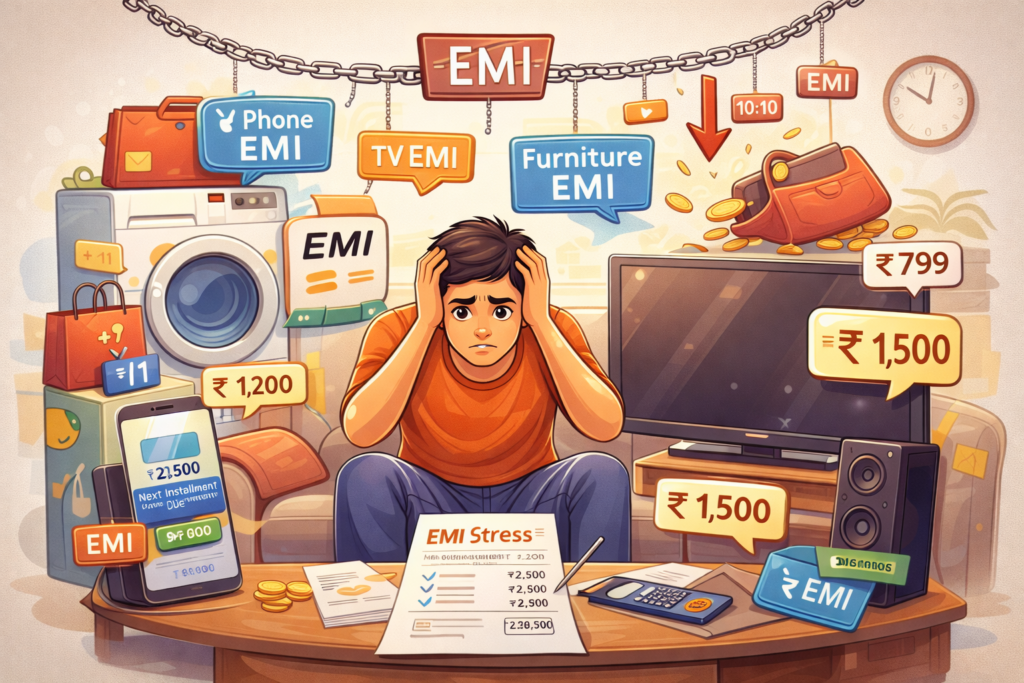
Phone EMI. TV EMI. Bike EMI. Furniture EMI.
Everything feels affordable monthly.
But EMIs lock your future income.
Fix it:
- Avoid EMIs for depreciating items
- Keep total EMIs under 20% of income
- Use EMI only for education or necessity
Freedom matters more than gadgets.
6. Not Investing Idle Cash
Money sitting in savings accounts is silently leaking value due to inflation.
₹1 lakh today won’t feel like ₹1 lakh after 10 years.
Fix it:
- Start SIPs via Groww, Zerodha, or Paytm Money
- Even ₹500 SIP matters
- Consistency beats timing
Not investing is also a money leak.
Step-by-Step Guide to Plug Your Money Leaks
Step 1: 30-Day Expense Audit
- Track every rupee
- No exceptions
- Use one app only
Step 2: Categorize Leaks
- Fixed leaks (subscriptions, EMIs)
- Variable leaks (food, shopping)
Step 3: Set Soft Limits
- Not strict budgets
- Realistic caps
Step 4: Automate Savings First
- SIPs
- RD
- Emergency fund
Step 5: Review Monthly
- 15 minutes
- Same date every month
Small systems beat motivation.
Common Mistakes & Pro Secrets
Mistakes to Avoid
- Cutting everything suddenly
- Following extreme budgeting advice
- Ignoring mental satisfaction
Pro Secrets
- Pay yourself first
- Increase savings with every salary hike
- Keep one guilt-free spending category
Balanced money habits last longer.
Comparison: Popular Indian Tools to Stop Money Leaks
| Tool | Best For | Pros | Cons |
|---|---|---|---|
| Groww | Beginners | Simple UI, SIP-friendly | Limited analytics |
| Zerodha Coin | Long-term investors | Low cost | Learning curve |
| ET Money | Expense tracking | Clear insights | App notifications |
| Fi / Jupiter | Salary accounts | Auto insights | Digital-only |
Real-Life Indian Scenarios
A Young Professional in Bengaluru
Ankit earned ₹8 LPA but saved nothing. After tracking leaks, he started ₹10,000 SIP without stress.
A College Student
Meena stopped impulse shopping and built her first emergency fund before graduating.
A Middle-Class Family
One review meeting per month helped them fund their child’s education without loans.
Tools, Apps & Resources (What Actually Helps)
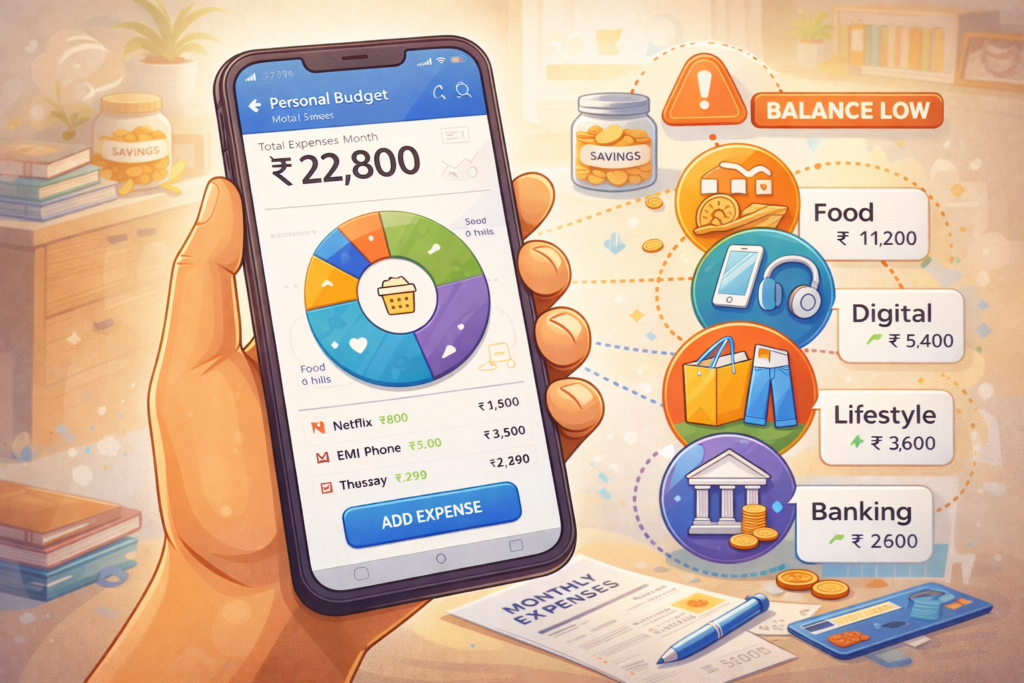
These are tools that genuinely help stop money leaks:
- Groww / Zerodha – Easy investing
- ET Money – Expense clarity
- Fi / Jupiter – Smart banking insights
- Amazon / Flipkart Wishlists – Delay impulse buying
Use tools as support, not crutches.
Final Thoughts: A Quiet Promise to Yourself
Money leaks don’t mean failure. They mean opportunity.
You don’t need to change your life overnight. Just notice where your money is quietly leaving.
Fix one leak at a time. Your future self will thank you.
If this helped you, the next step is simple: start tracking today.
And remember—wealth is not built by earning more, but by losing less.
Internal Linking Suggestions
External Trusted Resources
FAQs: Money Leaks India Readers Ask Most
What are the biggest money leaks India faces?
Untracked expenses, EMIs, subscriptions, and poor credit habits.
Can stopping money leaks really help saving?
Yes. Most people save ₹3,000–₹8,000 monthly.
Is budgeting necessary to stop money leaks?
Awareness matters more than strict budgets.
Are UPI payments causing money leaks?
Only if not tracked.
How long does it take to see results?
Within 30–60 days.
Should students worry about money leaks?
Yes. Habits form early.
What is the safest first step?
Track expenses for one month.
Leave a Reply