
You know what’s funny?
Most Indian families earn enough… but still feel broke by the 20th of every month. And honestly, I get it.
Last year, my friend Rohan (a software engineer in Bengaluru) told me this:
“Bro, I make ₹80k… yet I don’t know where my money goes.”
He wasn’t careless.
He wasn’t overspending on luxury.
He simply didn’t have a monthly budget plan, which is something almost every Indian family struggles with.
If you relate to this — the confusion, the guilt, the stress — breathe.
This guide will make budgeting feel simple, realistic, Indian, and doable, even if you’re a beginner.
And yes… this monthly budget plan India guide will help you save without feeling restricted.
Let’s start fresh today.
THE ULTIMATE MONTHLY BUDGET PLAN FOR INDIAN FAMILIES
What Is a Monthly Budget Plan?
A monthly budget plan is not about restricting yourself.
It’s about clarity — knowing exactly where your money goes and taking control instead of reacting.
Here’s the truth…
Most Indians don’t plan expenses. We just spend → adjust → repeat.
And this cycle continues for years until a financial emergency shakes us.
But a good budget?
It gives you confidence, peace, and the freedom to say “Yes, I can afford this.”
Why a Monthly Budget Plan Matters in India
1. Salaries Haven’t Doubled — Expenses Have
Rent, food, electricity, school fees… everything rises except your salary.
A budget helps you stay ahead of inflation.
2. Indian Families Live With Social Pressure
Weddings. Birthdays. Festivals. Gifting.
We often spend emotionally, not logically.
3. Medical Emergencies Hit Without Warning
A single hospitalization can wipe out your savings.
A proper plan ensures you always keep an emergency fund.
4. Stories That Feel Too Real
Take Sneha, a working mom from Pune.
She told me she felt “guilty” every month because she couldn’t track where her income went.
After building a simple 50/30/20 budget, she saved her first ₹25,000 emergency fund in 4 months.
Budgeting isn’t about money.
It’s about peace of mind.
Step-by-Step Monthly Budget Plan for Indian Families
Let’s break this down into something simple and actionable.

Step 1 — Note Your Monthly Income
Include:
- Salary (take-home)
- Side income
- Freelance income
- Rent received
- Family contributions
Pro Tip: Don’t include yearly bonuses. That’s for investments only.
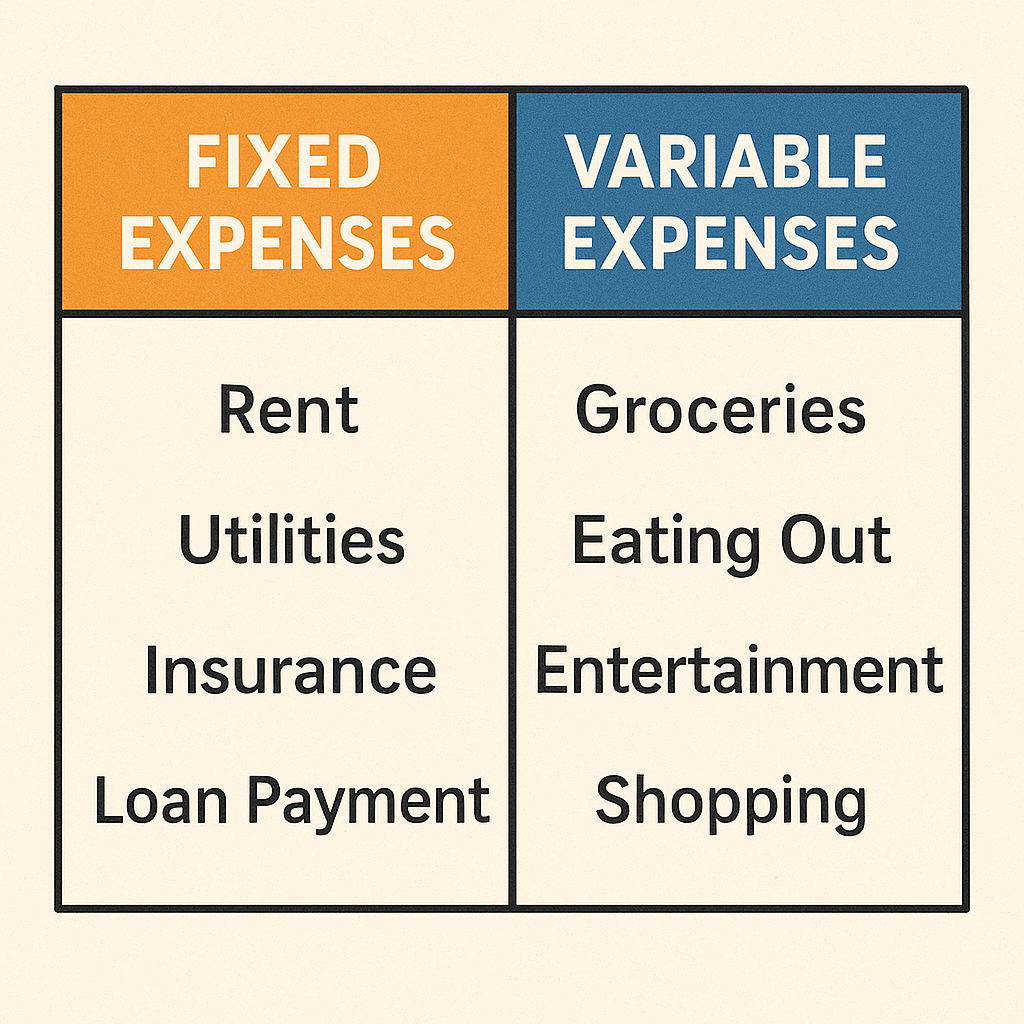
Step 2 — List Your Fixed Expenses
Fixed = non-negotiable.
Examples:
- Rent
- EMI
- School fees
- Insurance
- WiFi
- Groceries (base amount)
| Fixed Expense Category | Estimated Monthly Spend (₹) |
| Rent / Housing | 12,000 – 25,000 |
| Groceries | 4,000 – 7,000 |
| School Fees | 2,000 – 8,000 |
| EMI | Varies |
| Utilities | 1,500 – 4,000 |
Step 3 — Track Variable Expenses
These change every month.
- Eating out
- Shopping
- Movies
- Travel
- Medical
- Gifts
- Festivals
Tracking this once a month is enough.
Step 4 — Use the 50/30/20 Rule (Indian Version)
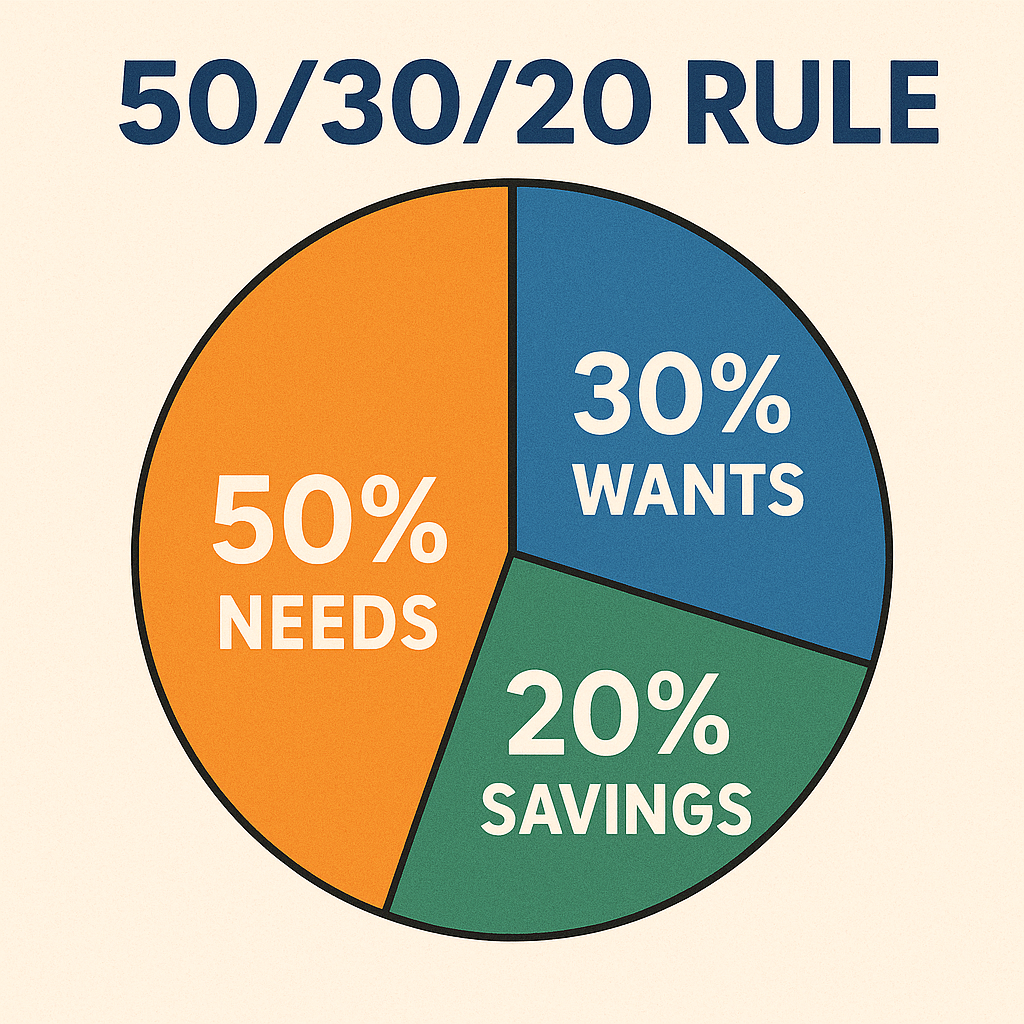
A powerful, beginner-friendly method:
| Category | % | Example on ₹60,000 salary |
| Needs | 50% | ₹30,000 |
| Wants | 30% | ₹18,000 |
| Savings/Investments | 20% | ₹12,000 |
Step 5 — Build a Zero-Based Budget
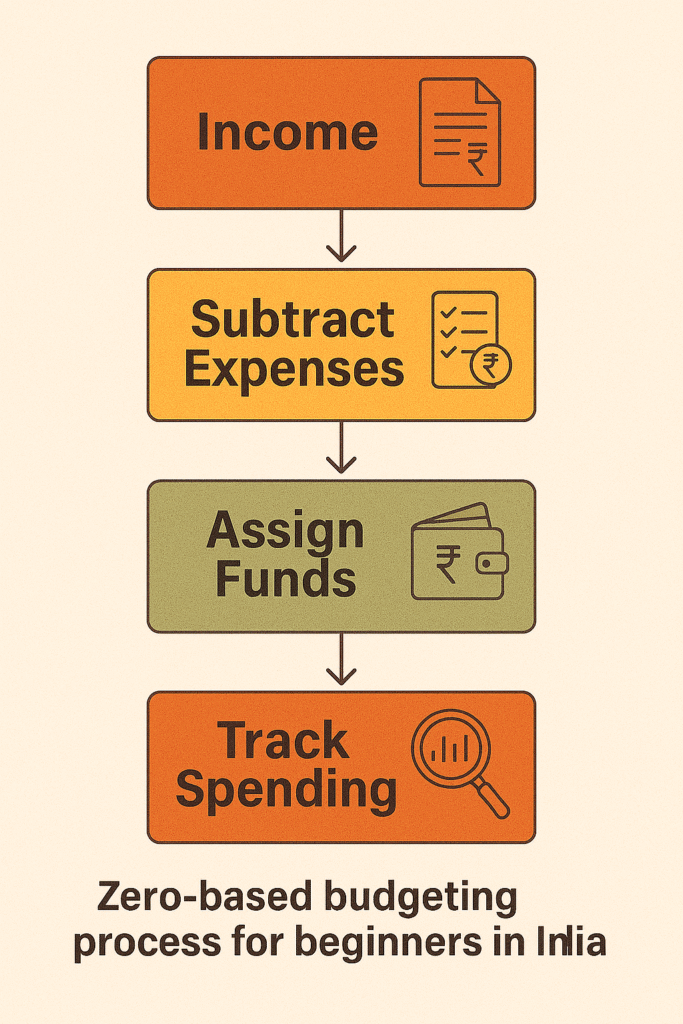
Income – Expenses = Zero
NOT because you spent all your money…
…but because every rupee has a purpose.
Step 6 — Automate Your Savings
Use:
- Groww (SIP automation)
- ET Money
- Zerodha Coin
- Paytm Money
Treat investments like rent — fixed, automatic, unavoidable.
Tips, Mistakes & Pro Secrets
Biggest Mistake Indians Make: No Emergency Buffer
At least ₹25,000 to ₹50,000 must be liquid at all times.
Pro Tip: Use Cash Envelopes for Overspending Categories
Works amazingly for:
- Food delivery
- Shopping
- Entertainment
Pro Secret: Reduce Fixed Expenses First
Most people try cutting chai, but the real savings come from:
- Negotiating rent
- Refinancing loans
- Cancelling unused subscriptions
- Switching internet plans
Comparison Section — Best Budgeting Methods
| Budget Method | Best For | Pros | Cons |
| 50/30/20 Rule | Beginners | Simple | Not precise |
| Zero-Based Budget | Families | Full control | Takes effort |
| Envelope Method | Overspenders | Great behavior control | Manual |
| App-Based Budget | Professionals | Automated | Screen fatigue |
Real-Life Stories
Story 1: The Bengaluru Couple
A tech couple earning ₹1.2L combined still struggled.
After a zero-based budget, they saved ₹15,000 per month and cleared their credit card dues in 7 months.
Story 2: College Student in Chennai
Arun earned ₹8,000 from part-time work.
After using the 50/30/20 method, he saved ₹900 monthly and invested in SIPs — the habit mattered more than the amount.
Story 3: Homemaker in Delhi
Meera started a grocery-first budgeting method.
Her family cut monthly waste by ₹3,500 without feeling restricted.
Tools, Apps & Resources

| App / Tool | Best For | Why It Helps |
| Fi Money | Young professionals | Auto-categorises expenses, great UI |
| Jupiter | Salary tracking | Salary insights + pots for budgeting |
| ET Money | Families | Insurance + SIP + expense features |
| Groww | Beginners | Simple SIP investing |
| Money Manager App | College students | Clean UI + cash tracking |
I personally found that apps like Fi and Jupiter made budgeting feel less stressful.
Instead of manually writing every chai or Uber, these apps auto-track everything in the background.
For SIPs, Groww and Paytm Money just work — simple, clean, reliable.
Use whatever feels comfortable…
because the tool doesn’t change your life — the habit does.
Final Thoughts

Money isn’t just maths.
It’s emotion, security, and dignity.
A simple monthly budget plan can give you something priceless — control.
Start small today.
Even writing down your expenses once a week will change your life in ways you won’t believe.
And remember…
“Budgeting is not sacrifice; it’s self-respect.”
If you want, I can also create:
• A downloadable Excel budget template
• A PDF workbook
• A Canva infographic
• Actual blog images (16:9)
Just tell me “Create it now.”
🔗 Internal Linking Suggestions
Internal Links
- Best AI Tools for Money Management in India
- How to Start a SIP With Just ₹500
- 50/30/20 Budget Rule India Guide
- Savings Challenges for Indian Families
External Authoritative Links
- RBI Financial Education Portal
- SEBI Investor Awareness
- Government PF/EPFO Portal
FAQs
What is the simplest monthly budget plan in India?
Start with the 50/30/20 rule — it’s beginner-friendly and fits most Indian households.
How much should an Indian family save monthly?
Even 10–20% is great. If income is tight, start with ₹500–₹1,000.
Which app is best for monthly budgeting?
Fi, Jupiter, ET Money, and Money Manager are excellent based on your lifestyle.
Can students follow this budget plan?
Absolutely. Even ₹500 saved monthly builds discipline.
How do I manage irregular income?
Use your lowest monthly income as your baseline.
How to budget for Indian festivals?
Create a “Festival Fund” — put ₹300–₹500 monthly. It removes stress completely.
My salary is low. Can I still budget?
Yes. Budgeting is not about how much you earn; it’s about how clearly you plan.
Leave a Reply