

Track expenses in India doesn’t have to feel stressful or restrictive.
Last month, a friend told me something that stuck.
“I earn well. I save something. But at the end of every month, I don’t know where my money actually went.”
If that sentence feels familiar, you’re not alone.
Most Indians don’t fail at money because they earn less.
They fail because money quietly leaks—₹200 here, ₹500 there—until the month ends with confusion, guilt, and stress.
That’s why learning how to track expenses in India is not about spreadsheets or discipline.
It’s about clarity. Relief. Control.
Think about this.
You wouldn’t drive a car with a broken fuel gauge. Yet we live our financial lives without knowing where our money goes.
Here’s the good news.
You don’t need complex budgeting.
You don’t need to track every rupee manually forever.
And you definitely don’t need to feel guilty about spending.
In this guide, I’ll show you a stress-free, Indian-friendly way to track every rupee—whether you’re a student, working professional, or managing a household.
No pressure.
No perfection.
Just progress.
Track Expenses in India
Understanding Expense Tracking in India (Track Expenses India the Right Way)
Let’s break this down simply.
To track expenses in India does not mean writing down every chai, auto fare, or Amazon order forever.
Expense tracking means:
- Knowing where your money flows
- Spotting patterns, not mistakes
- Making decisions without anxiety
Most people misunderstand this.
They think expense tracking is:
- Time-consuming
- Restrictive
- Only for “finance-smart” people
Here’s the truth.
Tracking expenses is not about control. It’s about awareness.
Once awareness comes, stress automatically reduces.
Why Tracking Expenses Matters in the Indian Reality
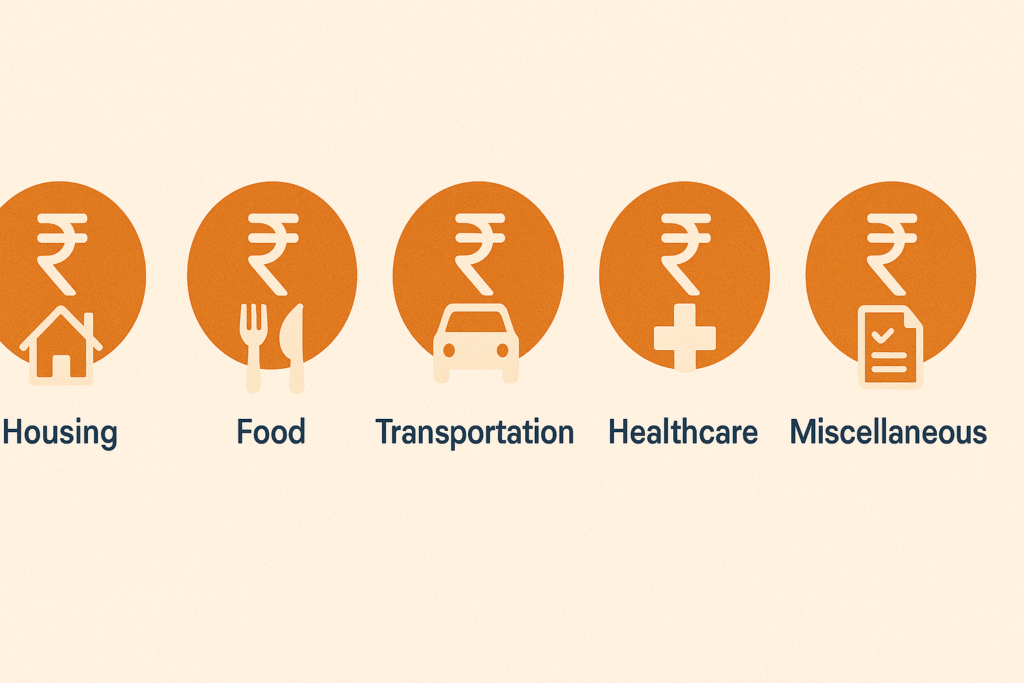
Most people don’t realize this, but India’s money challenges are unique.
The Indian Problem:
- Multiple UPI apps
- Cash + card + wallets
- Family responsibilities
- EMIs + subscriptions
- Festivals, gifts, emergencies
Money goes out silently.
A Real Example:
An IT professional in Bengaluru earning ₹80,000 a month felt “always broke.”
When he tracked expenses for just 30 days, he discovered:
- ₹6,200 on food delivery
- ₹3,400 on unused subscriptions
- ₹4,000 on random UPI transfers
That’s ₹13,600—without realizing it.
Tracking expenses doesn’t reduce joy.
It removes blind spots.
Step-by-Step Guide to Track Every Rupee Without Stress
Step 1: Choose One Tracking Method (Not Five)
Pick ONE system:
- App-based
- Notebook-based
- Notes app
More systems = more stress.
Step 2: Track Only These 5 Categories
| Category | Examples |
|---|---|
| Essentials | Rent, groceries, electricity |
| Transport | Fuel, metro, auto |
| Food | Eating out, Swiggy, Zomato |
| Lifestyle | Shopping, OTT, fun |
| Savings | SIPs, RD, emergency fund |
That’s it.
No 20-category headache.
Step 3: 5-Minute Daily Rule

Spend 5 minutes at night.
Not more.
Open your app or notebook.
Log totals—not details.
Consistency > perfection.
Tips, Mistakes & Pro Secrets (From Real Experience)
Common Mistakes Indians Make:
- Tracking for 3 days and quitting
- Tracking everything perfectly
- Feeling guilty after seeing numbers
Pro Secrets:
- Track weekly summaries, not daily stress
- Review, don’t judge
- Money awareness grows confidence fast
Beginner Tip:
Miss a day? Ignore it. Continue tomorrow.
Comparison – Best Ways to Track Expenses in India
| Method | Best For | Stress Level |
|---|---|---|
| Excel Sheet | Finance geeks | High |
| Notebook | Simple users | Medium |
| Apps (ET Money, Fi) | Most Indians | Low |
| Bank SMS only | Lazy tracking | Very low |
Apps win for 90% of people.
Real-Life Indian Stories

Story 1: College Student
A Chennai student tracked expenses for one semester.
She didn’t save more—but stopped borrowing.
That itself changed her confidence.
Story 2: Working Couple
A Mumbai couple tracked expenses together once a week.
Fights reduced. Goals became clear.
Money conversations became easier.
Story 3: Middle-Class Family
A family in Coimbatore tracked household expenses.
Within 6 months, they built an emergency fund.
For most households, the goal to track expenses in India is not perfection—it’s visibility and peace of mind.
No income increase. Just clarity.
Tools, Apps & Resources

These are tools that actually help, not overwhelm.
| App | Best For | Why It Helps |
|---|---|---|
| ET Money | Families | Auto-tracking + SIPs |
| Fi App | Young professionals | Smart insights |
| Jupiter | Beginners | Clean UI |
| Paytm Money | Investors | Expense + investing |
| Groww | Long-term planners | Simple ecosystem |
These tools reduce thinking fatigue.
That’s why they work.
Final Thoughts
If you remember just one thing, remember this.
When you learn to track expenses in India consistently, money stops feeling scary and starts feeling manageable.
Tracking money is not about restriction.
It’s about freedom.
The moment you know where your money goes, fear reduces.
Clarity increases.
Confidence returns.
Start small.
Stay gentle.
Track without judgment.
And if you want, explore one simple app today.
Just one step.
Your future self will thank you.
🔗 Internal & External Linking Suggestions
Internal Links:
- Personal Finance for Beginners
- Budgeting for Indian Families
- Emergency Fund Guide India
- Best Expense Tracking Apps India
External Links:
- RBI Financial Literacy Portal
- SEBI Investor Education
- National Savings Institute (India)
FAQs
Is expense tracking necessary if income is low?
Yes. Especially then.
How long should I track expenses?
At least 30 days.
Do I need to track cash also?
Yes, roughly.
Which is the best app to track expenses in India?
ET Money and Fi work best for most.
What if I forget to track daily?
No problem. Resume.
Can families track expenses together?
Yes. Weekly review works well.
Will tracking expenses reduce my spending?
Automatically. Awareness changes behavior.
Leave a Reply